
 Deutschland
 España
 France
 Italia
 usa
usa

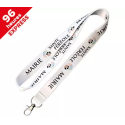
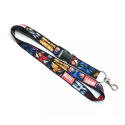
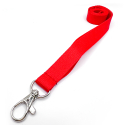
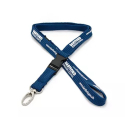
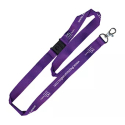
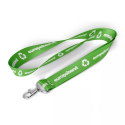
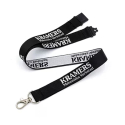

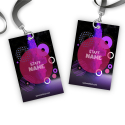
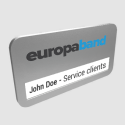
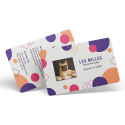





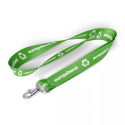
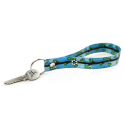
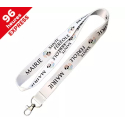

Lanyards have become essential at professional events such as trade shows, conferences, seminars and training sessions. These practical accessories, worn around the neck, are mainly used to attach items such as badges, keys, phones, or any other essential item for the wearer.
One of the main advantages of lanyards is their ability to be customised. Indeed, they can display the logo, name, or even the slogan of the company or the event in question. This personalisation not only provides a professional touch, but also strengthens corporate branding and ensures optimal visibility at events.
But with this trend, a question often arises: what is the real cost of personalised lanyards? What determines their price? And above all, is it more cost-effective to choose personalised lanyards rather than a standard model? To answer these questions, it is essential to know how to choose a lanyard suited to your needs.
In this article, we aim to demystify the cost of personalised lanyards. We will explore the different elements that influence their price, and we will give you advice on choosing the supplier and model that best match your needs and your budget.
The factors that influence the cost of personalised lanyards
When considering custom lanyards, several factors come into play and can influence the cost. These factors vary from the choice of material to the printing technique, as well as the type of attachment, the number of units ordered and the width of the strap. In this section, we will detail each of these elements to help you better understand how the price of personalised lanyards is determined.

1. The material
The choice of material is crucial as it influences the finish, comfort and environmental impact of the lanyards. Polyester, for example, is the most commonly used material due to its affordable cost. However, for those looking for a more sustainable option, bamboo lanyards or recycled lanyards made from recycled PET are attractive alternatives, although more expensive.
To be more precise:
- Polyester : This is the most commonly used material for polyester lanyards due to its durability and affordable price. For example, a standard polyester lanyard can cost between €0.50 and €2 per unit depending on the quantity ordered.
- Nylon : Brighter and smoother than polyester, nylon lanyards are often slightly more expensive. A nylon lanyard could cost between €1 and €3 per unit.
- Tubular fabric: Often used for bulk orders due to its lower cost, it offers a softer feel. Prices can range from €0.40 to €1.50 per unit.
- Bamboo and organic cotton : These eco-friendly lanyards can be more expensive due to their sustainable production. Expect to pay between €2 and €4 per unit.
- Recycled PET : Made from recycled plastic bottles, this is an eco-friendly lanyard option that is growing in popularity. Although slightly more expensive than standard polyester due to the recycling process, it offers a sustainable alternative. Recycled lanyards can cost between €1.50 and €3.50 per unit, depending on the complexity of the design and the quantity ordered.
Comparison table:
|
Criteria |
Polyester |
Nylon |
Cotton |
Bamboo |
Recycled PET |
|
Price |
$ |
$$ |
$$ |
$$$ |
$$$ |
|
Finish |
Good |
Very good |
Average |
Average |
Good |
|
Comfort |
Very good |
Good |
Very good |
Very good |
Very good |
|
Ecology |
Average |
Average |
Very good |
Very good |
Very good |
2. The width
The width of the lanyards determines the surface available for personalisation. A wider strap offers more space for a logo or message, but it can also increase the cost.
- Minimum width (1 cm) : This is the smallest and least expensive size, suitable only for personalisation with simple text.
- Medium width (1.5 cm) : Slightly cheaper than the standard size, but the printing is a little less detailed. This size is preferred for keys or small objects.
- Standard width (2 cm) : This is the most common size. The printing is more detailed than for other sizes. It is generally the most expensive of the three.
3. The length
The standard length of lanyards is generally 90 cm, but it is possible to opt for custom-made sizes according to your specific needs. However, depending on the item you want to attach, you may need a different length, which could influence the price.
4. The printing method
The chosen printing technique plays a crucial role in the final result and the cost. Screen printing, for example, is an affordable option but may not be suitable for complex designs. Dye sublimation lanyards offer superior quality and a wide variety of designs.
To be more precise:
- Screen printing : Ideal for simple designs with a few colours. For example, a one-colour design might cost €0.10 per unit, while a three-colour design could cost €0.30 per unit.
- Dye sublimation printing : Perfect for complex or photographic designs. This method is generally more expensive, sometimes adding €0.50 or more per unit.

5. The type of attachment
The attachment chosen will depend on the item to be attached to the lanyards. Options such as a carabiner hook are common and affordable, while attachments such as clips offer more security but may cost more.
To be more precise:
- Carabiner hook : A common and affordable option, usually costing just a few cents per unit.
- Hook (360° swivel) : More elegant and functional, it can add up to €0.20 per unit.
- Crocodile clip : Ideal for ID badge holders, it usually costs between €0.10 and €0.30 per unit.
- Breakaway attachment : These breakaway lanyards, which open when pulled with force, can add between €0.40 and €0.70 per unit.
6. Order quantity : The more personalised lanyards you order, the more you benefit from a reduced unit price. There is generally a minimum order quantity required to customise your lanyards. This minimum can vary depending on the supplier and the type of personalisation chosen.
By understanding these elements, you will be better equipped to make an informed choice that meets your needs while respecting your budget.
We recommend these other pages:
- How to choose the right lanyard size?
- What are the advantages of event lanyards with a breakaway attachment?
- Event lanyards: why are they essential for professionals?
- Express lanyard service: how does it work?
- Event lanyards: which types of attachments should you choose?
- What are the different materials used for event lanyards?
- What is an eco-friendly lanyard and why choose one?
- What is the best lanyard?