
 Deutschland
 España
 France
 Italia
 usa
usa

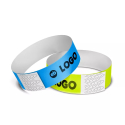
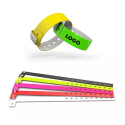
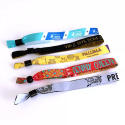
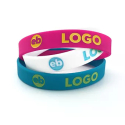
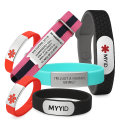
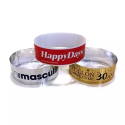
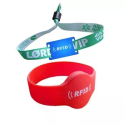
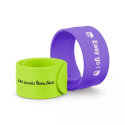
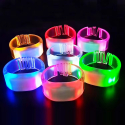
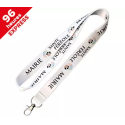
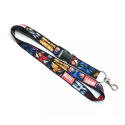
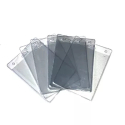
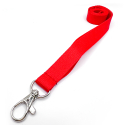
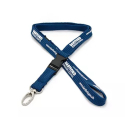
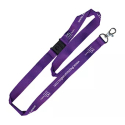
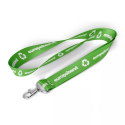
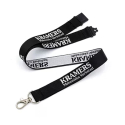
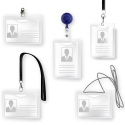
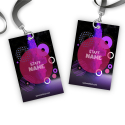
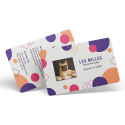

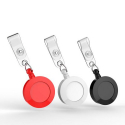
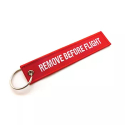

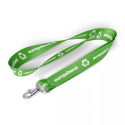
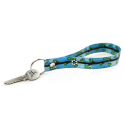
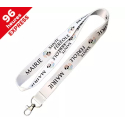

When it comes to choosing a lanyard, also known as a neck strap, it is essential to understand what it is and what it is used for. A lanyard is a strip of fabric worn around the neck, used to attach items such as badges, keys or ID cards. Practical and often used at events, conferences or in professional environments, the lanyard is both a functional tool and a fashion accessory.
There are different types of lanyards, each with its own characteristics and benefits. Some are simple and sleek, others can be customised with logos or messages. Materials also vary, ranging from nylon to polyester, including eco-friendly options such as organic cotton or bamboo.
To choose the best lanyard, several criteria must be considered. The quality of the material, wearing comfort, ease of use, safety (such as breakaway attachments to prevent accidents), and of course, appearance. A good lanyard should be both strong and comfortable to wear, while meeting the specific needs of its user.
In this article, we will explore in detail the different types of lanyards available on the market, their features, as well as the criteria to consider in order to make the best choice for your needs. Whether you are organising an event, looking to improve security in your company or simply want a practical way to carry your keys, this guide will help you find the ideal lanyard.
The different types of lanyard
There are many types of lanyards, which differ in material, width, length, colour, pattern, clasp, buckle and ID badge holders. Each type of lanyard has its advantages and disadvantages, depending on the use you want to make of it, the comfort you are looking for, the level of security you require, the degree of personalisation you want, the budget you have and the durability you expect. In this section, we will introduce the different types of lanyards, their characteristics, advantages and disadvantages.
Material
- Polyester : Low cost, durable, easy to print. Less comfortable than other materials.
- Nylon : Shiny, smooth, strong. More expensive and more slippery.
- Cotton : Natural, soft, eco-friendly. Can get dirty or crease easily.
- Bamboo : Soft, eco-friendly, hypoallergenic. More expensive and less durable.
- Satin : Elegant, silky, lightweight. More fragile and slippery.
- Silicone : Flexible, waterproof. Less breathable and less aesthetic.
- Leather : Premium, robust. More costly and heavier.
- Metal : Durable, resistant. Can be cold and rigid.
Width
Lanyards range from 10mm to 25mm. Wider ones are more comfortable and visible, but more expensive.
Length
The standard length is 90 cm. They can measure 95 cm with a breakaway clip. At Europaband, we can shorten neck straps on request, at no extra cost.
Colour and Pattern
Wide range of colours and patterns. Bright colours are eye-catching but stain more easily, while patterns can be more expressive.
Clasp
Different types such as clip or carabiner. More secure but potentially bulkier.
Buckle
Options such as breakaway or adjustable. More practical but can add to the cost.
ID badge holders
Variety of materials such as plastic or vinyl. Offer different levels of protection and personalisation.
As you can see, there is a lanyard suitable for every use, every need and every preference. The choice will depend on your specific requirements in terms of comfort, security, personalisation, budget and durability.
How to choose the best lanyard?
To choose the best lanyard, it is essential to take several criteria into account, depending on the intended use, desired comfort, required level of security, degree of personalisation, available budget and expected durability. Here are some tips to help you make the best choice based on these different aspects.
Usage
Defining the usage is essential. Whether it is for a badge at a professional event, keys for everyday use, or a phone while travelling, each use requires a specific lanyard. For example, for a professional badge, choose a nylon lanyard with a clip clasp and a plastic or vinyl ID badge holder, offering security and visibility. For everyday keys, a polyester lanyard, simple and durable, is ideal. For a phone while travelling, opt for a waterproof and flexible lanyard, such as silicone ones.
Comfort
Comfort is crucial. Choose a lanyard made from natural materials such as cotton or bamboo if you have sensitive skin. These materials are soft, hypoallergenic and eco-friendly. Make sure the lanyard is of medium width to avoid discomfort, and opt for an adjustable model to suit your body shape. If you are carrying a heavy item, a lightweight lanyard is recommended.
Safety
Safety is an aspect not to be overlooked. A lanyard with a breakaway clip is ideal in a work environment to prevent accidents. For frequent use, a lanyard with a detachable buckle makes it easier to access the carried item. To protect your items, a plastic or vinyl ID badge holder is a good option.
Personalisation
Personalisation reflects your image and style. Choose a brightly coloured lanyard with text or a logo to convey a message. For a touch of originality, opt for a unique pattern. If you prefer discretion, a neutral-coloured lanyard without a pattern is ideal.
Budget
Budget influences the choice. A polyester lanyard is an economical and durable option. If your budget allows, a nylon lanyard offers greater strength and more personalisation options.
Durability
Durability is an important criterion. A quality lanyard resists wear and washing. Natural materials such as cotton or bamboo are preferred for their eco-friendly aspect.
Choosing a lanyard depends on multiple factors. Take the time to consider each aspect to find the lanyard that will perfectly meet your needs.
Here is a comparison table to help you make the best choice according to your needs:
|
Type of Lanyard |
Material |
Typical use |
Advantages |
Disadvantages |
|
Nylon |
Nylon |
Events, companies |
Strong, colour options, customisable |
Less comfortable than other materials |
|
Polyester |
Polyester |
Everyday use, schools |
Durable, economical, comfortable |
Less elegant than nylon or satin |
|
Satin |
Satin |
Luxury events, weddings |
Elegant, soft to the touch |
Less durable, more expensive |
|
Woven |
Woven cotton or polyester |
Sports activities, festivals |
Flexible, durable, unique style |
Less formal, may be less durable |
|
Eco-friendly |
Recycled or biodegradable materials |
Eco-responsible events |
Environmentally friendly |
Often more expensive, limited choice |
|
Reflective |
Reflective material |
Safety, construction, night activities |
Increased visibility, improved safety |
Less aesthetic, more expensive |
|
With beads |
Beads or decorative elements |
Gifts, souvenirs |
Attractive, personalised |
Less practical, more fragile |
Each lanyard presented here meets specific needs, whether for professional events, everyday use or travel. The choice depends on your personal preferences and intended use. These lanyards combine functionality and style, ensuring that your important items remain within reach while complementing your outfit.
We recommend these other pages:
- How to choose the right lanyard size?
- What are the benefits of event lanyards with safety breakaway?
- Event lanyards: Why are they essential for professionals?
- What is the cost of a personalised lanyard?
- Express event lanyards: how does it work?
- Event lanyards: which types of attachments should you choose?
- What are the different materials used for event lanyards?
- What is an eco-friendly lanyard and why choose one?