
 Deutschland
 España
 France
 Italia
 usa
usa

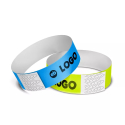
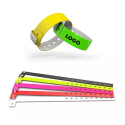
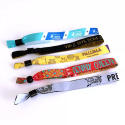
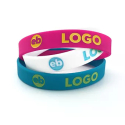
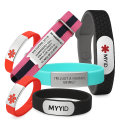
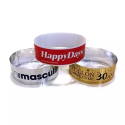
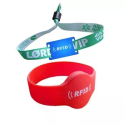
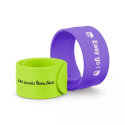
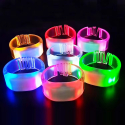
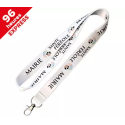
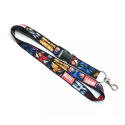
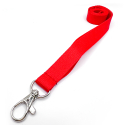
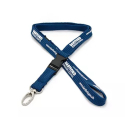
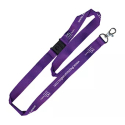
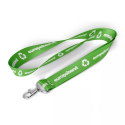
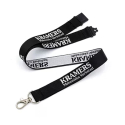

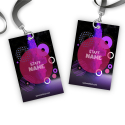
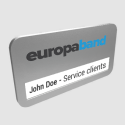
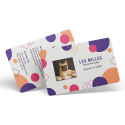

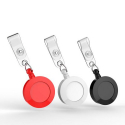
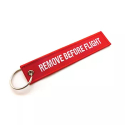
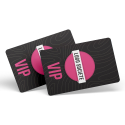
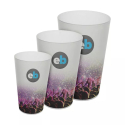
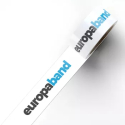

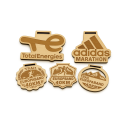
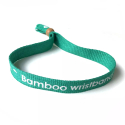
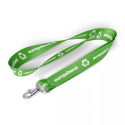
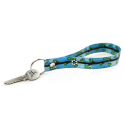
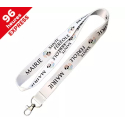

Event lanyards are essential accessories in the professional world, particularly at events such as trade shows, conferences or corporate meetings. Not only do they provide increased visibility for a brand or organisation, but they also serve as a practical support for holding badges or ID cards. Their usefulness goes beyond simple functionality; they are a powerful communication and marketing tool.
These lanyards, often personalised, carry the identity of the company. Knowing how to personalise a lanyard is essential to best reflect your brand image and values. Their branding, meaning the way they are printed or decorated, plays a crucial role in conveying the brand message. In this article, we will explore the different branding techniques available for event lanyards. Each technique has its own specific features, advantages and disadvantages, and the choice will depend on various factors such as the desired design, budget, quantity and intended use of the lanyards.
By guiding you through these techniques, our aim is to provide you with all the information you need to make an informed choice when it comes to personalising lanyards, so that they perfectly meet your event needs and reflect your brand image.
What is lanyard branding?
Lanyard branding is a key element in the personalisation of this event accessory. It refers to the process by which a logo, text, pattern or image is printed onto the lanyard strap. The purpose of this personalisation is to make each lanyard unique, thereby reflecting a specific message, the company’s visual identity, or the theme of the relevant event.

The choice of branding is crucial and must be made by considering several important criteria:
- Available budget : Costs vary depending on the branding technique chosen, the materials used, production time, and the number of colours to be printed.
- Desired delivery time : Some techniques require more time than others, which affects the overall production lead time.
- Number of lanyards to order : Depending on whether you need a small or large batch, certain techniques will be more suitable and economically viable.
- Type of strap chosen (width, material, colour) : The compatibility of the branding technique with the type of strap is essential to guarantee an optimal result.
- Desired visual finish (quality, durability, effect) : The chosen technique must meet your expectations in terms of visual quality and durability, whether you are looking for a glossy, matt, embossed effect, etc.
Each branding technique has specific advantages and disadvantages, which will be detailed in the following sections. It is important to fully understand these aspects in order to make an informed choice that suits your needs and the image you wish to convey through your event lanyards.
The different branding techniques for lanyards
Choosing the right branding technique for a lanyard is essential to achieve the desired result. Below is a comparison table of the four main techniques: screen printing, dye sublimation lanyards, digital transfer and jacquard weaving, to help you make the best choice.
|
Characteristics |
Screen printing |
Dye sublimation |
Digital transfer |
Jacquard weaving |
|
Quality |
Good |
High |
Good |
Very high |
|
Durability |
Good |
High |
Average |
Very high |
|
Relief |
None |
None |
Yes |
Yes |
|
Finish |
Matt |
Glossy |
Matt |
Elegant and refined |
|
Colours |
Limited |
Unlimited |
Unlimited |
Limited |
|
Cost |
Low |
Medium |
Medium |
High |
|
Lead time |
Short |
Short |
Short |
Long |
|
Type of strap |
Polyester or cotton, plain or two-tone |
Polyester, white or light-coloured |
Polyester or nylon, dark or multicoloured |
Polyester or cotton, width > 15 mm |
|
Type of design |
Simple and high-contrast |
Complex and detailed |
Personalised and original |
Subtle and discreet
|

Each technique offers specific advantages. Screen printing is cost-effective and provides good durability, making it ideal for simple designs. Dye sublimation lanyards deliver a glossy finish with unlimited colours, perfect for complex designs. Digital transfer is well suited to personalised designs, while jacquard weaving offers an elegant and refined finish for understated logos. The choice will depend on your specific criteria such as quality, durability, finish, colours, cost, lead time, strap type and design type.
How to choose the most suitable branding technique for your event?
To choose the branding technique best suited to your event, it is essential to consider several factors such as the type of event, the target audience, the message to convey and your budget. Here are some practical tips to guide you in your decision:
- Type of event :
- Professional events (trade shows, conferences, seminars): Opt for subtle and elegant branding such as screen printing, jacquard weaving or dye sublimation to enhance your corporate branding and make participant identification easier.
- Festive events (concerts, festivals, parties, weddings): Choose original and playful branding such as digital transfer, dye sublimation or screen printing to reflect the atmosphere of the event and create a memorable keepsake.
- Target audience :
- Professional audience (clients, partners, suppliers): High-quality and durable branding such as screen printing, jacquard weaving or dye sublimation is recommended to reinforce credibility and convey a clear message.
- General public (fans, spectators, guests): Opt for personalised and eye-catching branding such as digital transfer, dye sublimation or screen printing to spark interest and emotion.
- Message to convey :
- Informational message (company name, logo, slogan): Choose simple and visible branding such as screen printing, jacquard weaving or dye sublimation for easy identification and good recall.
- Promotional message (offers, products, services): Prefer more complex and detailed branding such as digital transfer, dye sublimation or screen printing to highlight your message and encourage action.
In addition to these criteria, it is important to take into account the quality of the materials and the printing technique. For example, polyester is an excellent medium for screen printing, offering a good balance between price, durability and appearance, while nylon is ideal for high-quality printing of logos and detailed images.
For successful personalisation, make sure your message is clearly legible and attractive, reflecting the brand image you wish to convey. Visibility from a distance and design layout are key factors to consider, especially given the limited surface area of a lanyard.
By following these tips, you will be able to choose the branding technique best suited to your event, ensuring effective and memorable communication.
How to create a relevant personalised lanyard?
Creating a relevant personalised lanyard requires careful consideration of its objective, the target audience and the message to be conveyed. Here are some tips to guide you through this process.
Define the Objective of the Lanyard
- Raise awareness : Use the lanyard as a communication medium to display your name, logo, slogan or contact details. This will help you stand out at events.
- Build appreciation : Consider the lanyard as a gift to thank and retain your clients, partners or employees. This helps create an emotional connection.
- Improve understanding : Use it as an educational tool to convey clear messages, information or instructions, making them easier to understand and remember.
Know the Lanyard Audience
- Internal audience (staff, employees, members) : Choose a lanyard that reinforces a sense of belonging and highlights your organisation’s identity.
- External audience (clients, prospects, suppliers) : Select a design that strengthens your brand image and showcases your values and services.
Choose the Lanyard Message
- Simple message (name, logo, slogan) : opt for a design that facilitates identification and boosts brand recognition.
- Original message (offers, products, events) : aim for a design that captures attention and generates interest.
- Creative message (images, drawings, symbols) : prioritise a design that surprises and remains memorable.
Additional Tips
- Branding techniques : Choose a technique suited to your design and budget. Dye sublimation offers a wide range of colours, while screen printing is better suited to large quantities.
- Accessories : Consider detachable clips, safety breakaways or carabiner hooks to add functionality and aesthetic appeal to your lanyard.
By following these tips, you can create a personalised lanyard that not only meets your specific needs but is also attractive and memorable for your target audience.
We recommend these other pages:
- Everything you need to know about dye sublimation
- What are the different printing methods for a personalised lanyard?
- Why personalise a lanyard?