
 Deutschland
 España
 France
 Italia
 usa
usa

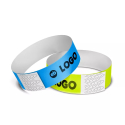
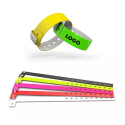
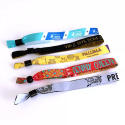
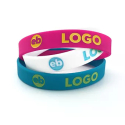
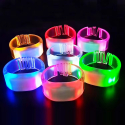
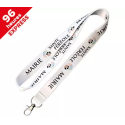
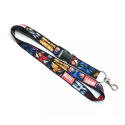
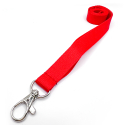
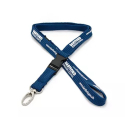
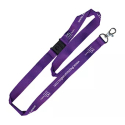
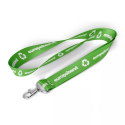
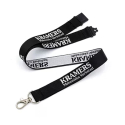

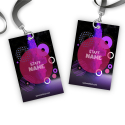


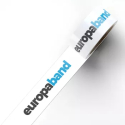
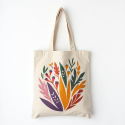
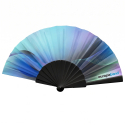
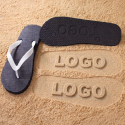



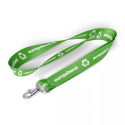

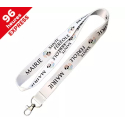


In this guide, we will explore the world of personalised lanyards, an essential element in the events and professional sectors. You will discover how to transform a simple cord into a personalised lanyard, a powerful marketing and communication tool. Personalising a lanyard goes far beyond its practical function of holding items such as badges or keys: it reflects the identity of your brand or event, encourages interaction, and strengthens a sense of belonging.
We will cover the various personalisation techniques available, from dye sublimation lanyards, perfect for vibrant and complex designs, to screen printing for simple and impactful visuals. Each method offers specific benefits, suited to different needs and types of events.
This guide will provide practical advice and strategies for choosing the best way to personalise your lanyard, ensuring it is not only attractive but also effective in conveying your message. We will examine how a well-designed lanyard can become a crucial element of your communication and marketing strategy. Whether you are looking to promote a business, strengthen team spirit, or create a memorable event experience, this guide will be your essential resource.
Why personalise a lanyard
Personalised lanyards are a growing trend in the events and professional world. Why personalise a lanyard ? It goes beyond the simple practical function of holding important items such as badges or keys. Personalised lanyards help identify participants at events and promote a brand or message. They are an effective marketing tool for businesses, used to display logos or slogans and increase visibility.
In schools or offices, personalised lanyards are useful for keeping access badges visible and easily accessible. Personalisation creates a sense of belonging, reinforces corporate branding, and leaves a lasting impression. Personalised lanyards are a smart choice for a specific event, staff identification, or as a corporate gift.
The benefits of personalised lanyards are numerous. They help you stand out in a world where uniqueness is valued, encouraging interaction and networking opportunities. They strengthen visual identity and help build loyalty among clients or members by creating a sense of belonging. Personalised lanyards also facilitate social interaction, helping people introduce themselves and make connections.
When choosing personalised lanyards, consider the type of lanyard, colour, material, width, printing method, and accessories. Each aspect plays a role in how effectively the lanyard communicates a message or represents a brand. Personalisation should align with the objective, target audience, and brand image.

Creating effective personalised lanyards involves defining a clear objective, choosing eye-catching text or a logo, and harmonising colours, materials, and accessories with the intended message. Combined, these elements result in lanyards that not only attract attention but also deliver a clear and memorable message.
What are the different printing methods for personalised lanyards?
Personalising a lanyard offers a wide range of creative options, and the choice of printing method plays a crucial role in this process. The different printing methods for personalised lanyards vary depending on your specific needs, whether for a corporate event, team building, or a personalised welcome at a special occasion.
Dye Sublimation Printing
This premium technique is perfect for colourful and complex designs on polyester lanyards. The inks, transformed into gas under heat, penetrate deeply into the fabric, making the design indelible. Benefits include accurate and long-lasting results, unlimited colour options, and the ability to print different designs on each side at no extra cost. However, it is more expensive and limited to light-coloured polyester fabrics.

Screen Printing
Ideal for simple, single-colour designs on cotton or polyester lanyards, screen printing is cost-effective and efficient for large orders. Ink is applied through a mesh screen, delivering sharp results with vibrant colours. This method is valued for its low cost and durability but is limited to four colours and is not suitable for complex or double-sided designs without additional costs.

Digital Transfer Printing
Suitable for small to medium minimum order quantity, this modern method first prints the design onto an adhesive backing, then transfers it onto the fabric. It allows for a wide variety of designs, including gradients and complex images. Its advantages include unlimited colour freedom and fast production. However, it is generally more expensive than screen printing and offers lower durability.

The choice of printing method for your personalised lanyards will depend on your specific objectives, budget, and the type of message you wish to convey. Each technique offers unique benefits in terms of image quality, cost, and durability.
Branding techniques
Branding techniques for lanyards are varied, each suited to specific needs and reflecting the identity of a company or the spirit of an event.
Branding a Lanyard
Branding involves applying a logo, text, pattern, or image to the lanyard. This process aims to make each piece unique, reflecting the company’s visual identity or the event theme. Key criteria for choosing a branding method include budget, delivery time, quantity, type of ribbon, and the desired visual finish.

Branding Techniques
- Screen printing : A cost-effective method for simple designs, offering good quality and durability. Ideal for large quantities.
- Sublimation : Perfect for complex designs with a wide range of colours. This technique delivers vibrant and long-lasting results.
- Digital transfer : Suitable for personalised and original designs, offering great creative freedom.
- Jacquard weaving : Produces a very high-quality finish, ideal for subtle and elegant designs.
Each technique has its own advantages: screen printing is ideal for simple designs, while dye sublimation lanyards are suited to colourful and complex visuals. Digital transfer works well for personalised designs, and woven lanyards are perfect for understated logos.
Choosing the Right Branding Technique
The choice of branding technique depends on the type of event, target audience, message to be conveyed, and budget. For example, screen printing is often used for corporate events with a limited budget, while sublimation is preferred for more festive occasions.
To create effective personalised lanyards, it is essential to define the objective, target audience, and message. The chosen branding technique must match these criteria, while respecting the budget and reflecting the desired corporate branding.
Sublimation
The sublimation process is a popular personalisation method, known for its ability to produce high-quality prints on various materials. This process involves transforming special ink into gas under heat, allowing direct printing onto the product. It is valued for its precision, durability, and resistance to everyday wear.

One of the main advantages of sublimation is its versatility. It is suitable for a wide range of products, such as clothing, fashion accessories, promotional lanyards, and decorative items. It allows the creation of unique designs on lanyards, with vibrant colours and high precision. However, sublimation requires specific materials, mainly synthetic fabrics like polyester, and does not work on all surfaces. While print quality is excellent, initial costs and equipment requirements can be higher than with other methods.
How Sublimation Works
- Sublimation involves a change of state of special inks, from solid to gas, under the effect of heat.
- Sublimation inks are essential for this process.
- The substrate must be polyester or coated with polyester for effective ink absorption.
- The steps include visual creation, printing onto transfer paper, positioning on the substrate, heat pressing, and paper removal.
Equipment Required for Sublimation
- Special inkjet printer for sublimation.
- Transfer paper designed to hold inks without absorbing them.
- Heat press to apply the necessary heat and pressure.
- Suitable substrates made of polyester or polymer-based materials.
Sublimation Techniques
- Direct sublimation : Prints directly onto the substrate, suitable for flexible materials.
- Thermal sublimation : Prints onto a plastic film and then transfers onto the substrate, ideal for rigid surfaces.
- Transfer sublimation : Involves printing onto transfer paper followed by application to the substrate, offering versatility and ease of use.
Advantages of Sublimation
- Superior print quality with vibrant and long-lasting colours.
- Accurate reproduction of complex designs.
- Maintains fabric comfort without altering texture.
- Durable, long-lasting, eco-friendly lanyards and cost-effective.
Sublimation is therefore an ideal personalisation technique for projects requiring high print quality, although it demands specific materials and a certain level of technical expertise.
We recommend these other pages: