
 Deutschland
 España
 France
 Italia
 usa
usa


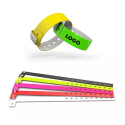

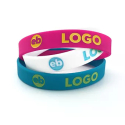
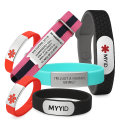
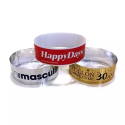

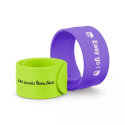
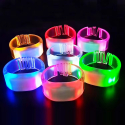
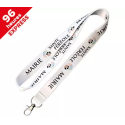
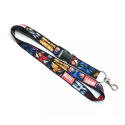
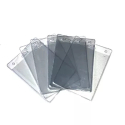


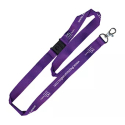

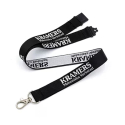

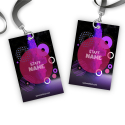



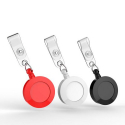




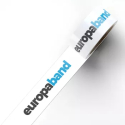
















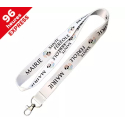

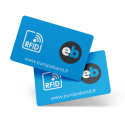

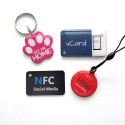

You may be wondering who lanyards are intended for, these event lanyards that are so common and yet so essential. As customisable accessories, they play a key role in a wide range of environments, from professional events to social gatherings. Their primary function is to help identify participants, but their usefulness goes far beyond that. For example, understanding how to use personalised lanyards can transform this simple accessory into a powerful marketing tool.
In a professional context, you will often see them at conferences, trade shows, or concerts. They are not limited to displaying ID badge holders; they are also a powerful marketing tool. You can customise them with logos, specific colours, or messages, making them perfect for increasing the visibility of your brand or cause.
Beyond advertising, lanyards are an excellent way to strengthen team spirit within your company. They unify team members during corporate events, training sessions or team-building activities, creating a sense of belonging and reinforcing group identity.
In this article, we will explore how you can use lanyards effectively, the personalisation options available to you, and the benefits they offer in different contexts. Whether for professional, promotional, or even personal use, lanyards are a versatile tool that meets your needs.
Typical lanyard users
Lanyards, these versatile and customisable accessories, are used in a variety of contexts. They offer practical solutions for identification and promotion in many environments. Here are some of the main users of lanyards:
Companies
Ideal for identifying employees and promoting the brand at professional events, branded lanyards are an effective tool for strengthening your company’s presence. They can be personalised with the company logo, brand colours, or even specific messages. These accessories are particularly useful at trade fairs, conferences, or other corporate events, where they serve not only as an identification tool but also as a subtle marketing medium. In an office environment, lanyards make it easier to identify employees and visitors while enhancing access security.
Associations
For associations, lanyards are an excellent way to raise awareness for a cause, facilitate fundraising, and strengthen the sense of belonging among members. They can be personalised with slogans, logos, or messages specific to the cause. Lanyards are often used at fundraising events, conferences, or gatherings, helping to create a sense of unity and community.
Schools
In educational institutions, lanyards contribute to safety and event organisation while promoting team spirit among students. They can be used to carry ID badges, keys, or even small educational tools. Lanyards in schools can be colourful and fun, with designs that appeal to young people while remaining functional.
Sports clubs
Lanyards help unify teams, distinguish different roles, and can be appreciated souvenirs for supporters. They are often used to carry accreditation badges, whistles, or even keys. In a sporting context, lanyards can be personalised with team colours, logos, and even players’ names.
Event organisers
Essential for access management and registrations, event lanyards help create an organised and memorable experience for participants. They are often used to hold ID badges, tickets, or keys. Event organisers can personalise lanyards with event information, sponsor logos, or special messages.

Hospitals and clinics
In the medical sector, lanyards are essential for healthcare staff. They allow staff to carry ID badges, keys, or even small tools, contributing to efficiency and patient safety.
Concerts and festivals
At large events such as concerts and festivals, lanyards are used by staff, artists, and sometimes even attendees. They help identify different groups of people and manage access to various areas.
Museums and art galleries
In museums, lanyards are often used by guides and security staff. They make it easy to carry keys, walkie-talkies, or ID cards.
Leisure centres and theme parks
In these venues, lanyards are used for practical and safety reasons by both staff and visitors. They can also be sold or given away as personalised souvenirs.
Hospitality and tourism
Lanyards are a valuable tool for tour guides and travel agents. They help keep important documents close at hand and make it easy to identify members of a group.
Public transport and airports
In public transport and airports, lanyards are used by staff to carry ID badges, keys, or other tools needed for their daily work.
Government and military facilities
In these environments, security is paramount. Lanyards allow ID badges to be worn in a visible and secure way.
Charities and NGOs
For fundraising events and awareness campaigns, lanyards are an effective way to promote the cause and manage volunteer teams.
Gyms and fitness centres
In these venues, lanyards are practical for carrying keys or membership cards, making access to facilities easier.
Personal use
Finally, lanyards are also useful in everyday life, such as key holders or for attaching important personal items.
The lanyards have a rich and varied history, dating back to the 15th century in France. Initially used in a military context to attach whistles, swords, or pistols to uniforms, their use has diversified over time. Today, they are commonly used for functions such as carrying ID badges, keys, or even as safety devices in various industries. The materials and styles of lanyards have also evolved, offering a wide range of choices from polyester lanyards to nylon lanyards, as well as satin and silk.
This historical and functional diversity of lanyards highlights their versatility and adaptability to a wide range of uses in the modern world, whether in a professional, educational, associative, sporting, or event-based context.
Trends and innovations in the world of lanyards
Lanyards, although simple in concept, have undergone various developments and innovations over time. This section explores the latest trends and technological advances that are transforming the use and perception of lanyards across different sectors.
- Integrated technology : Integrating technology into lanyards is a growing trend. For example, adding RFID chips or QR codes to facilitate registration and tracking at events. These technologies enable more efficient participant management and provide an enhanced user experience.
- Eco-friendly materials : With increasing awareness of environmental impact, the use of eco-friendly lanyards is gaining popularity. Materials such as bamboo lanyards, organic cotton, or recycled PET are increasingly used to create more sustainable and environmentally responsible lanyards.
- Custom and creative designs : Personalised lanyards now go beyond simply printing the company name or logo. Designs are becoming more creative and artistic, often reflecting the brand or event theme in a more dynamic and visually appealing way.
- Multifunctional applications : Lanyards are no longer used solely to carry badges or keys. They are now designed to incorporate additional features such as pen holders, mobile phone holders, or even USB charging cables.
- Enhanced security : In terms of security, lanyards are being improved to offer greater protection. For example, breakaway lanyards with advanced safety fastenings or cut-resistant materials to prevent theft or loss.
We recommend these other pages:
- What are the different uses of a lanyard?
- The different types of events where event lanyards can be used
- How to wear an event lanyard and make it look elegant?
- Four ways to use a lanyard
- What can you attach to a lanyard?